Our Departments
- Sciatica
- Slipped Disc
- Cervical & Lumber spondylosis
- Disc Bulge
- Spondylolisthesis
- Frozen Shoulder
- Shoulder Impingement
- Sprain & Strains
- Coccydenia
- Si Joint Dysfunction
- Parkinson's Disease
- Multiple Sclerosis
- Stroke (Paralysis)
- Facial Palsy
- Sports Injury & Rehab
- Tennis Elbow
- Fire cupping
- Hydro c
- Herbal c
- Sports c
- Wet c
- Rehab for orthopedic conditions with c
- Gynaecological conditions with c
- Dental conditions with c
- Pulmonary conditions with c
- Weight loss with c
- Anxiety and depression with c
- Arthritis conditions with c
Expert Doctor

Sprains
Overview
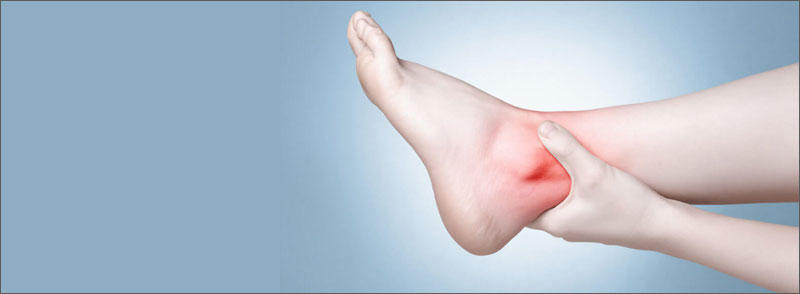
A sprain is a stretching or tearing of ligaments — the tough bands of fibrous tissue that connect two bones together in your joints. The most common location for a sprain is in your ankle.
Initial treatment includes rest, ice, compression and elevation. Mild sprains can be successfully treated at home. Severe sprains sometimes require surgery to repair torn ligaments.
The difference between a sprain and a strain is that a sprain injures the bands of tissue that connect two bones together, while a strain involves an injury to a muscle or to the band of tissue that attaches a muscle to a bone.
Symptoms
Signs and symptoms will vary, depending on the severity of the injury, and may include:
- Pain
- Swelling
- Bruising
- Limited ability to move the affected joint
- Hearing or feeling a "pop" in your joint at the time of injury
When to see the doctor
Mild sprains can be treated at home. But the injuries that cause sprains can also cause serious injuries, such as fractures. You should see a doctor if you:
- Can't move or bear weight on the affected joint
- Have pain directly over the bones of an injured joint
- Have numbness in any part of the injured area
Causes
A sprain occurs when you overextend or tear a ligament while severely stressing a joint. Sprains often occur in the following circumstances:
- Ankle — Walking or exercising on an uneven surface, landing awkwardly from a jump
- Knee — Pivoting during an athletic activity
- Wrist — Landing on an outstretched hand during a fall
- Thumb — Skiing injury or overextension when playing racquet sports, such as tennis
Children have areas of softer tissue, called growth plates, near the ends of their bones. The ligaments around a joint are often stronger than these growth plates, so children are more likely to experience a fracture than a sprain.
Risk factors
Factors contributing to sprains include:
- Environmental conditions Slippery or uneven surfaces can make you more prone to injury.
- Fatigue Tired muscles are less likely to provide good support for your joints. When you're tired, you're also more likely to succumb to forces that could stress a joint.
- Poor equipment Ill-fitting or poorly maintained footwear or other sporting equipment can contribute to your risk of a sprain.
Prevention
Regular stretching and strengthening exercises for your sport, fitness or work activity, as part of an overall physical conditioning program, can help to minimize your risk of sprains. Try to be in shape to play your sport; don't play your sport to get in shape. If you have a physically demanding occupation, regular conditioning can help prevent injuries
You can protect your joints in the long term by working to strengthen and condition the muscles around the joint that has been injured. The best brace you can give yourself is your own "muscle brace." Ask your doctor about appropriate conditioning and stability exercises. Also, use footwear that offers support and protection.
Muscle strains
Overview
A muscle strain is an injury to a muscle or a tendon — the fibrous tissue that connects muscles to bones. Minor injuries may only overstretch a muscle or tendon, while more severe injuries may involve partial or complete tears in these tissues. Sometimes called pulled muscles, strains commonly occur in the lower back and in the muscles at the back of the thigh (hamstrings). The difference between a strain and a sprain is that a strain involves an injury to a muscle or to the band of tissue that attaches a muscle to a bone, while a sprain injures the bands of tissue that connect two bones together. Initial treatment includes rest, ice, compression and elevation. Mild strains can be successfully treated at home. Severe strains sometimes require surgical repair.
Symptoms
Signs and symptoms will vary, depending on the severity of the injury, and may include:
- Pain or tenderness
- Redness or bruising
- Limited motion
- Muscle spasms
- Swelling
- Muscle weakness